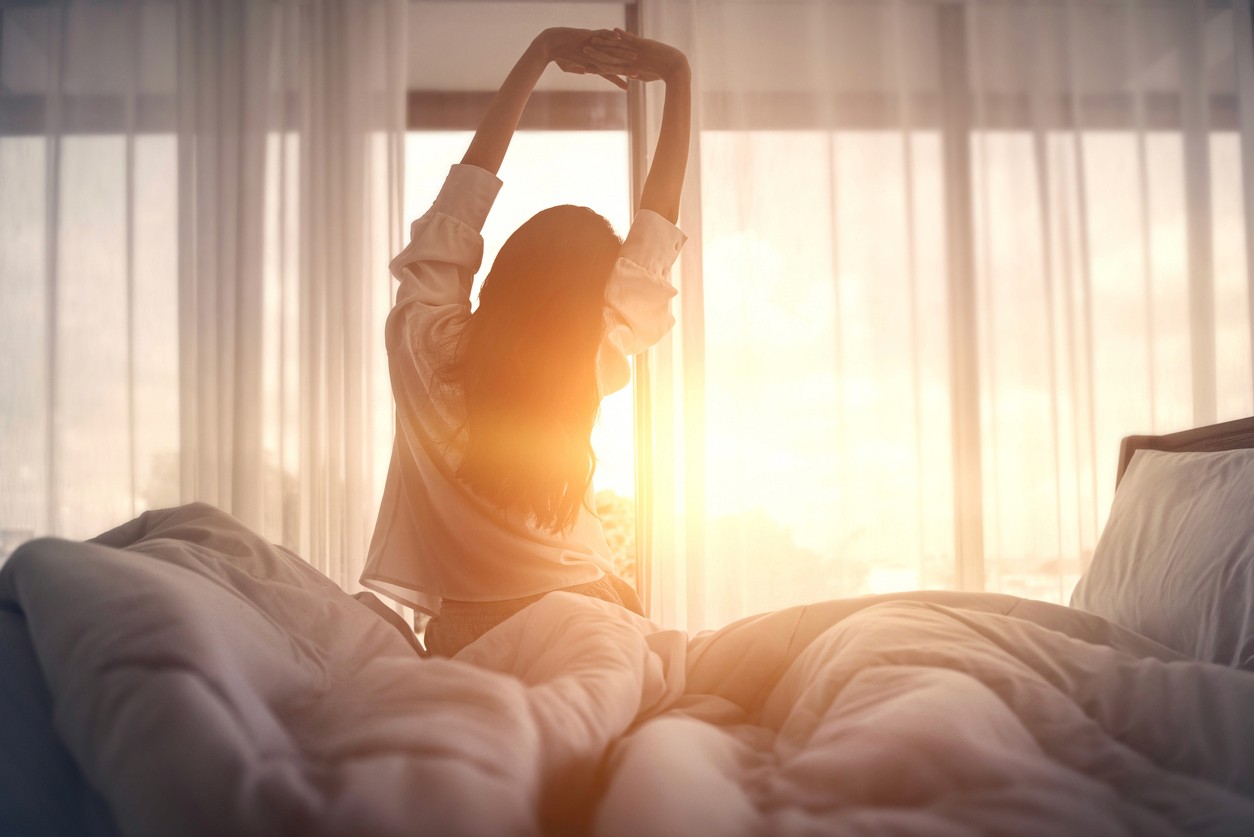
The Real Cost of Losing Two Hours of Sleep
Two hours less sleep can affect your mood, immunity and skin. Here is why it matters more than you realise.
2 MIN READ
When life gets busy, sleep is often the first thing we sacrifice. Staying up an extra hour or two can feel harmless, but those small choices accumulate. Over time, even occasional sleep loss places stress on the body and can influence everything from mood to immunity and skin health.
Almost half of Australians regularly fall short of the recommended seven to nine hours of sleep each night. Many people assume that catching up later or losing “just a couple of hours” is no big deal. The reality is that even a small sleep deficit can have a measurable impact.
Below, we explore how losing just two hours of sleep can affect your body.
Irritability
If you notice that minor inconveniences feel far more aggravating after a poor night’s sleep, you are not imagining it. Researchers at Iowa State University found that participants who slept two hours less than usual for even one night experienced increased irritability, reduced concentration and more negative emotions.
Some call this feeling “slangry”, a blend of sleepy and angry. According to sleep specialist Dr Guy Meadows, there is a biological explanation. Insufficient sleep places the body under stress, increasing levels of cortisol. While cortisol is useful in small amounts, prolonged elevation can affect mood regulation and emotional resilience.
Immunity
A single disrupted night is unlikely to make you sick, but ongoing sleep loss can weaken your immune system. Research shows that chronic short sleep reduces the body’s ability to mount an effective immune response. When you are sleep deprived, your body diverts energy to essential functions, leaving fewer resources for fighting infection. This means a simple cold or virus may take longer to recover from compared with when you are well rested.
Physical appearance
Lack of sleep affects more than how you feel. It can also affect how you look. A study by The Sleep School London found that when women slept two hours less than recommended for one week, visible signs of skin ageing increased. Fine lines and wrinkles rose by 45 per cent and blemishes by 13 per cent.
This is because the skin relies on sleep for repair. Collagen production peaks at night, helping restore skin cells and maintain elasticity. As Dr Meadows explains, without enough sleep the body does not have sufficient time to repair and rejuvenate, which can lead to dullness, breakouts and more noticeable lines.
Simple ways to support better sleep
Given the impact of even small amounts of sleep loss, it is no surprise that many people are looking for practical ways to improve their nightly rest. Evidence suggests that consistent routines make a meaningful difference. One simple strategy is to set not only a morning alarm but also an evening alarm that signals the start of your ideal bedtime routine. This gentle prompt helps maintain accountability and supports healthier sleep habits over time. Click here for more science-backed bedtime habits to improve sleep quality.
Take the next step in understanding your health
If sleep is affecting your energy or overall wellbeing, a Life First assessment can help you understand what your body needs. Our physicians take the time to explore the factors influencing your health and provide clear, personalised guidance.