Three Simple Ways to Stay Calm When Stress Hits
Discover how consistent stress affects your body and explore simple, evidence-based strategies that can help you manage it more effectively.
2 MIN READ
Stress has become a familiar part of everyday life. Balancing work, family, social expectations, sleep and exercise can leave many people feeling constantly under pressure. While a certain level of stress is normal and can even sharpen focus and productivity, persistent or overwhelming stress can take a toll on the body. Over time, chronic stress has been linked to a range of health issues, including cardiovascular disease, high blood pressure and autoimmune conditions.
Life First and EHS data from more than 30,000 health assessments shows a similar pattern: people who fall into the highest stress, anxiety or depression categories often present with additional risk factors such as excess body weight, poor dietary habits and disrupted sleep. Understanding your triggers and identifying the strategies that work best for you is an important part of protecting your long-term wellbeing.
Below are three evidence-based techniques shown to help reduce stress and support overall health.
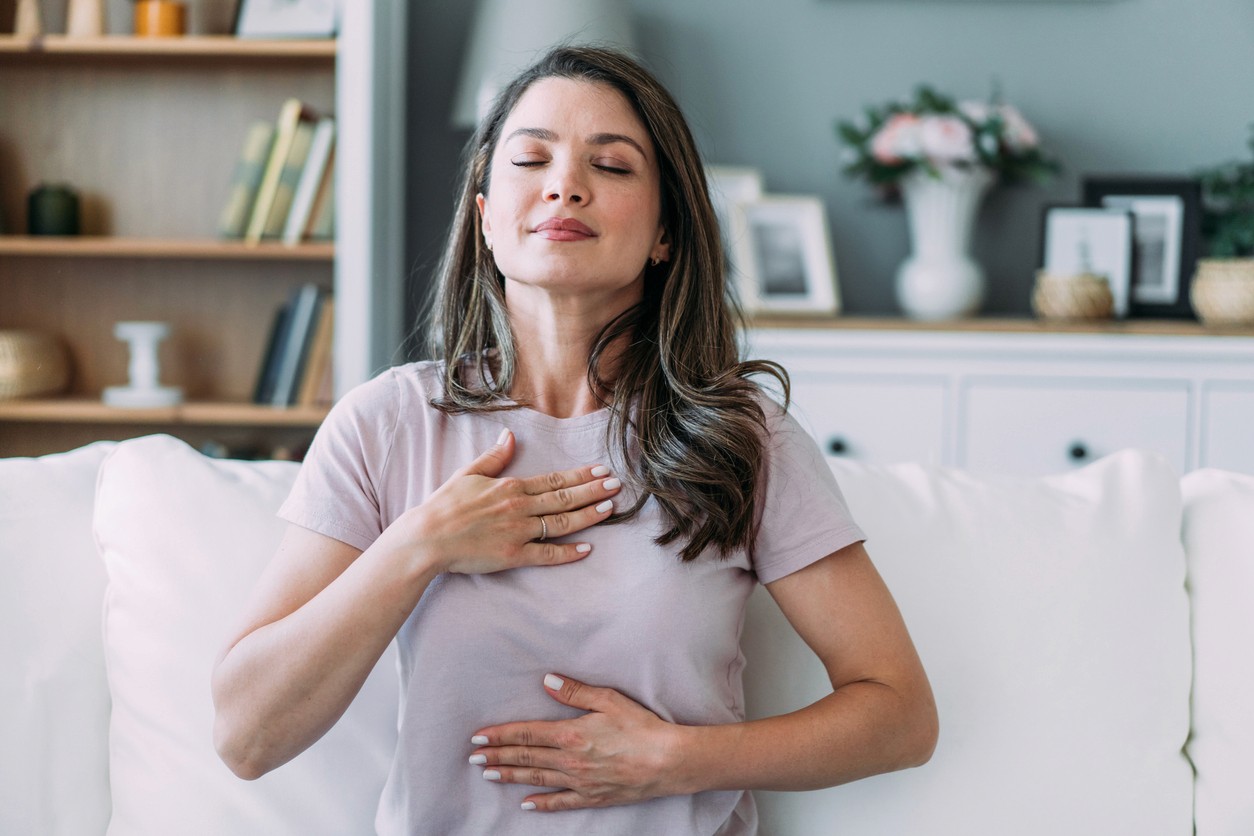
1. Diaphragmatic breathing
Deep, diaphragmatic breathing has been shown to produce meaningful benefits for mental health. A Harvard study found that people who practised diaphragmatic breathing over an eight-week period experienced improvements in psychological wellbeing.
This technique involves directing your breath into the diaphragm rather than shallow breathing into the chest. Doing so helps slow the heart rate, regulate blood pressure and lower cortisol, the body’s primary stress hormone. One of the biggest advantages is accessibility — you can practise it almost anywhere.
2. Working up a sweat
Exercise is one of the most effective tools for managing stress. A meta-analysis of six studies involving 262 people confirmed that physical activity significantly reduces anxiety symptoms. For the best results, the research suggests aiming for a moderate to vigorous intensity — roughly 70 per cent of VO₂ max — rather than only light activity.
Regular physical activity has also been shown to reduce fatigue, improve alertness and concentration and enhance overall brain function. These benefits can be especially valuable when stress drains your energy or affects your ability to focus.
3. Having a giggle
Laughter may feel light-hearted, but its physiological effects are real. A study from the Indiana State University School of Nursing reported that laughter can relieve nervousness and anxiety by increasing oxygen intake, stimulating the heart, lungs and muscles and triggering the release of endorphins.
Laughing also promotes better circulation and helps relax tense muscles, both of which can ease physical symptoms of stress. Whether it is time with loved ones, a comedy special or a moment of shared humour, a little laughter can go a long way in supporting emotional resilience.
Take the next step in understanding your health
If stress is impacting your energy, sleep or overall wellbeing, a Life First assessment can help you understand what your body needs and provide clear, personalised guidance.